
Internal to External Gutter Solutions
Gutter Conversion
The Problem With Internal Gutters
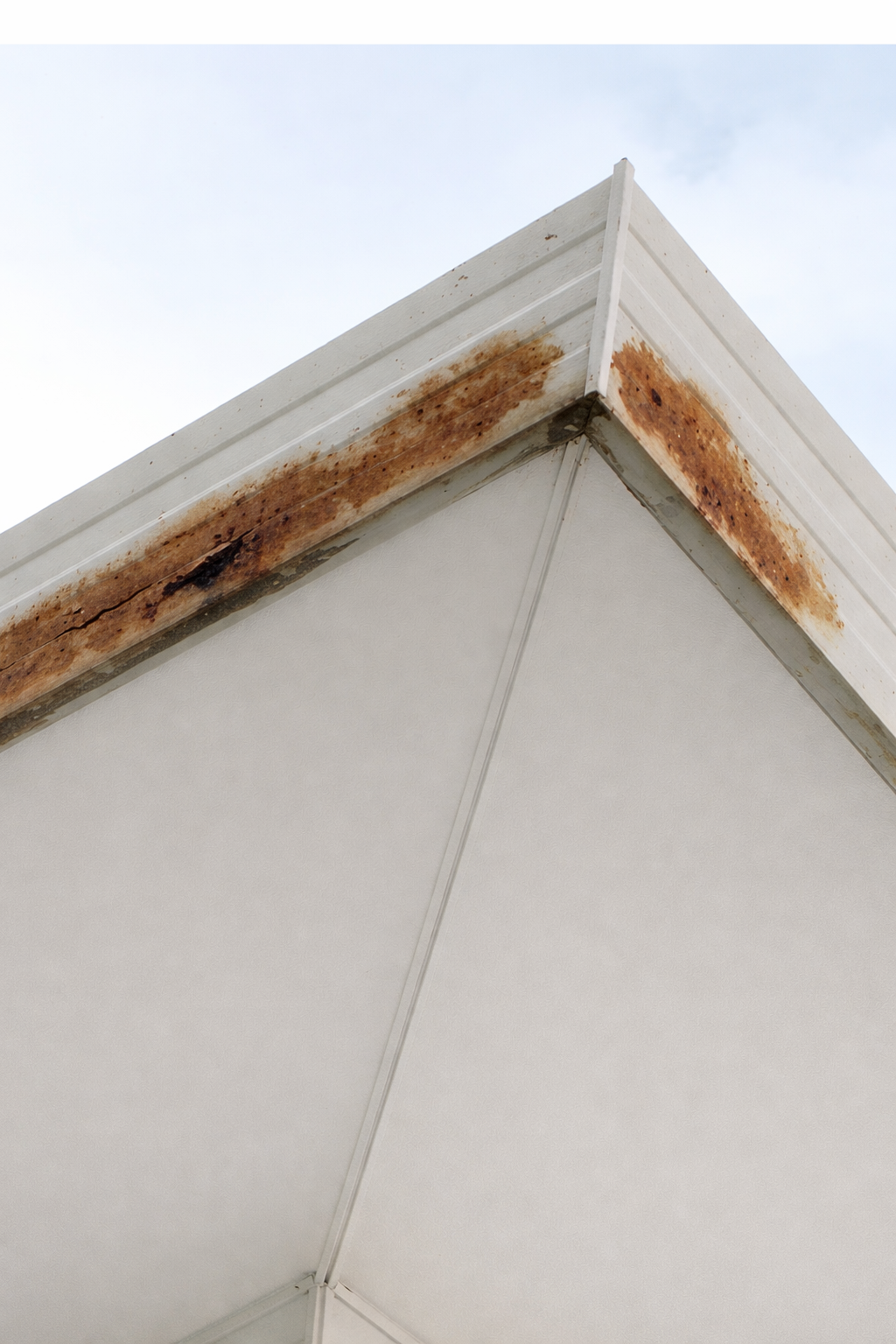
Internal gutters sit low within the roofline and rely heavily on correct design, fall, outlets and maintenance. If anything goes wrong — a blockage, a joint failure, insufficient capacity during heavy rain — the water has nowhere to go but inside the building.
Light rain might not show any obvious issues. But during heavy downpours (which is when you need your gutters working properly), problems quickly become apparent. Unfortunately, that often means water entering the walls or ceilings before anyone realises there’s a fault.
When internal gutters fail, repairs can become expensive. It’s not just the gutter that may need replacing — damaged framing, linings and insulation inside the home often need attention too.
Converting to an External System
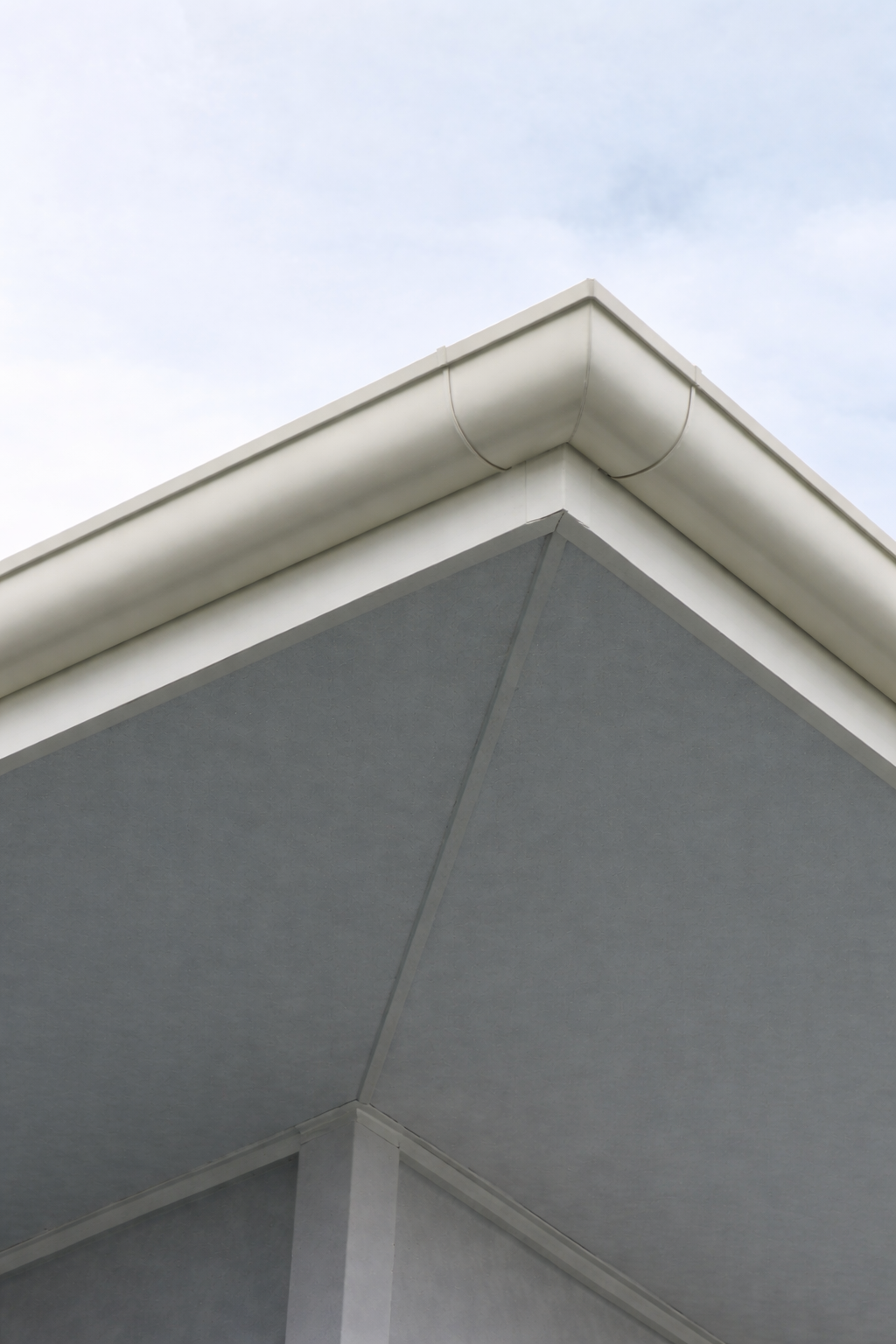
Replacing an internal gutter with an external fascia and spouting system removes the biggest risk — water entering the home.
External systems:
Drain water away from the building envelope
Are easier to maintain
Perform better during heavy rain
Reduce the risk of hidden structural damage
Benefits of a New Fascia & Gutter System
-
Removing the internal gutter removes the risk of water backing into the structure.
-
Internal gutters are often flagged during building inspections. Upgrading can remove a red flag for potential buyers.
-
A well-installed fascia and gutter system adds both visual appeal and long-term durability.Reduce the risk of hidden structural damage
-
A new external system, installed correctly, will typically require less maintenance and comes with product warranties for added peace of mind.
Your Questions, Answered
-
An internal gutter is a concealed channel built into the roof structure or hidden behind a fascia. It collects rainwater from the roof and directs it to downpipes. They were common on many New Zealand homes from the 1990s to mid-2000s.
-
Internal gutter replacement requires professional installation and proper scaffolding for safety and compliance. Every home is different, and correct fall, capacity and detailing are critical.
-
Most conversions take between 2–4 days once materials are on site. Timeframes depend on house size, access and complexity.
-
Yes, in most cases. Scaffolding improves safety and often reduces overall labour time, which helps manage project costs.
-
Gutters generally last between 10–20 years, depending on materials, installation quality, environment and maintenance. Coastal areas like Tauranga and Mount Maunganui can be harder on building materials due to salt air exposure.
-
Collaborative, honest, and straightforward. We're here to guide the process, bring ideas to the table, and keep things moving.